The Vegetation of Aliaga
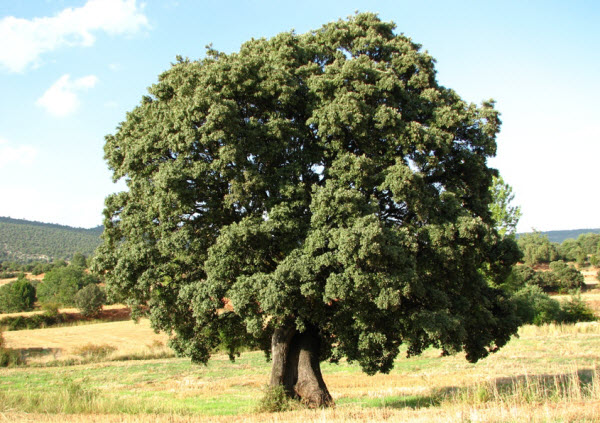
Holm oak groves
and gall oak groves
|
These are the area’s original autochthonous forests and those of the greatest ecological value, though today they only survive in small enclaves. The most characteristic species are the holm oak ( Quercus rotundifolia ) and the gall oak ( Quercus faginea ). |
Pine
woods
|
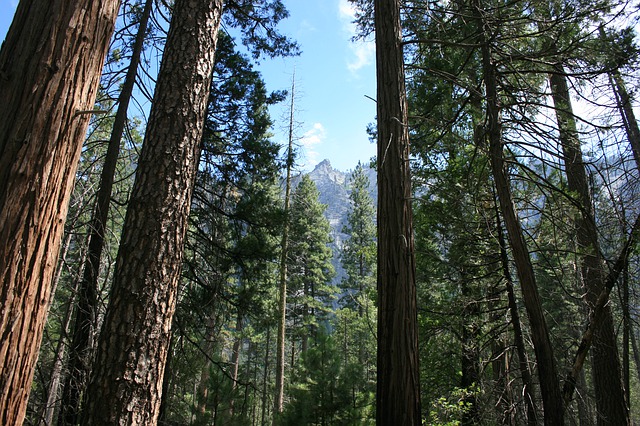
The pinewood forests are greatly influenced by human development. The scots pine ( Pinus sylvestris ) abounds in the high regions to the south of Aliaga (Sierra de la Lastra) whereas the Austrian pine (Pinus nigra ) predominates in the Guadalope valley at lower altitudes further to the east. |
Small forests of incense junipers and common junipers
|
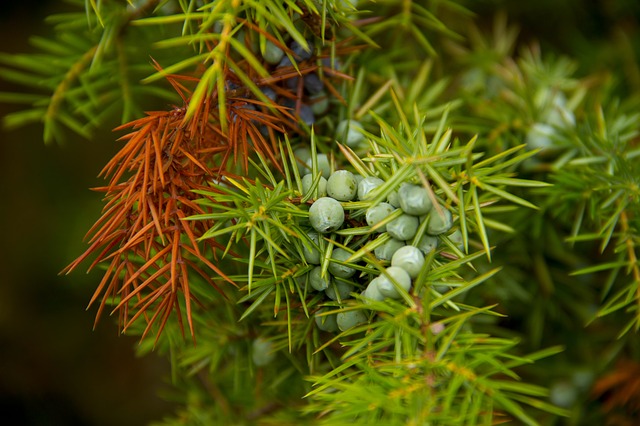
Incense junipers ( Juniperus thurifera ) and common junipers ( Juniperus communis y Juniperus oxycedrus ) dot many of the mountain slopes without actually forming expanses of forest. These are frequently accompanied by the serviceberry ( Amelanchier ovalis ) and the undergrowth is covered by bearberry shrubs ( Arctostaphylos uva-ursi ). |
Bushes and aromatic shrubs
|
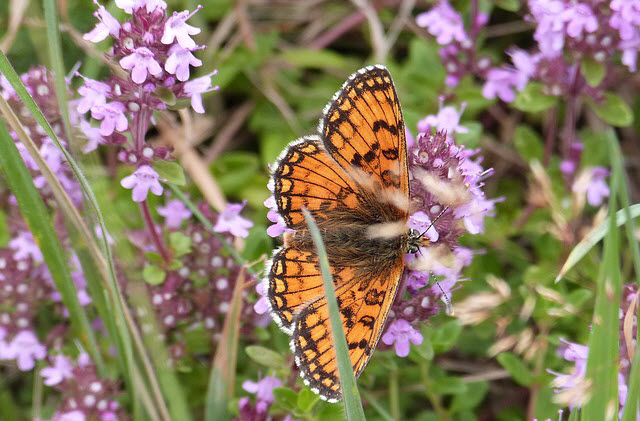
Deforestation throughout history of many mountains has given rise to shrub lands made up of (lavender, sage, savory, thyme). These are interlaced with prickly bushes such as the hawthorn ( Crataegus monogyna ), the wild rose ( Rosa canina ), and the blackthorn ( Prunus spinosa ). In higher regions the shrub land takes on a canopied appearance with the characteristic hedgehog broom ( Erinacea anthyllis ). |
Riverside forests
|
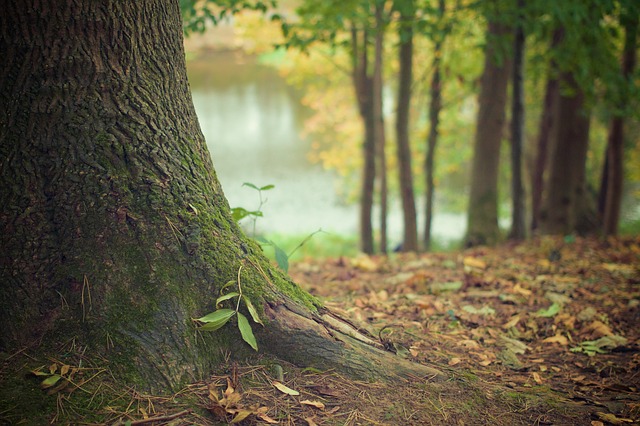
The river streams are populated by species that require moist soil and which form gallery forests: poplars ( Populus nigra ), the white poplar ( Populus alba ), the elm ( Ulmus minor ), the willow ( Salix alba ), the crack willow ( Salix fragilis ) and the hoary willow ( Salix elaeagnos ). |